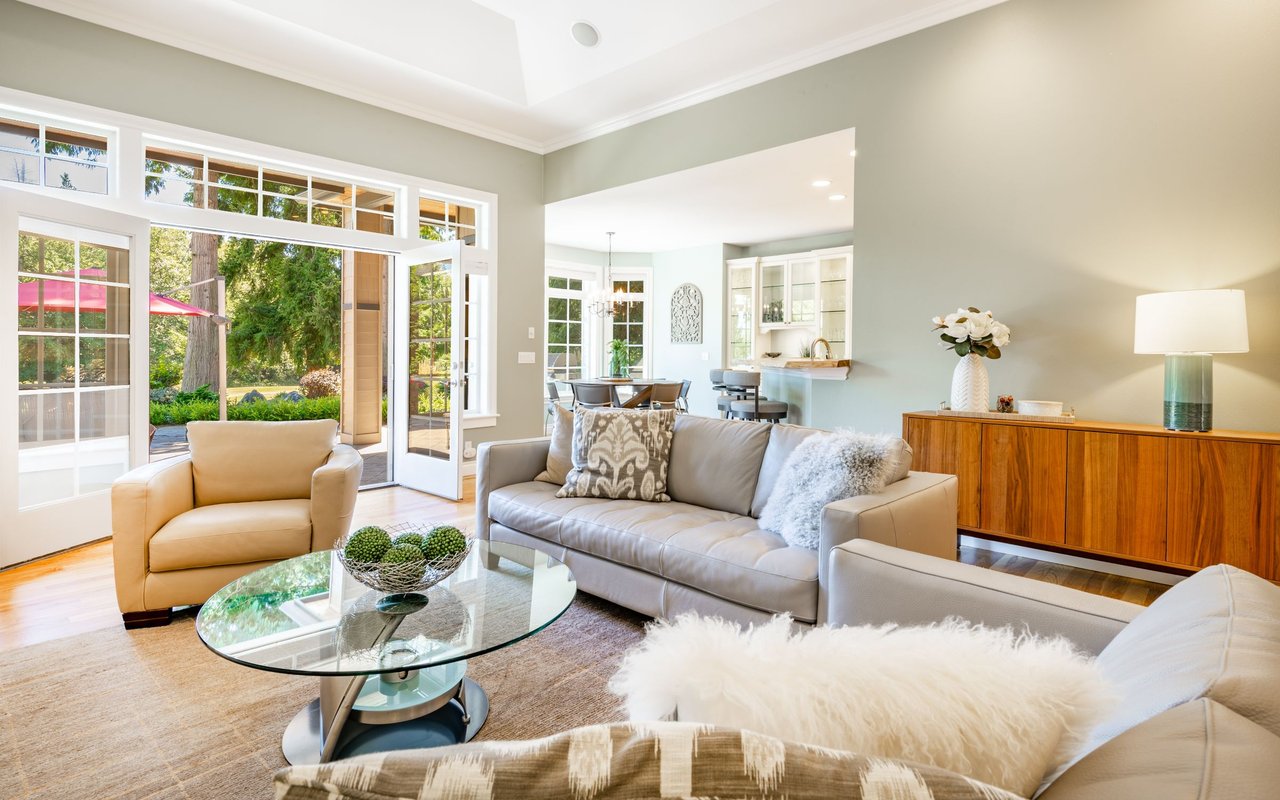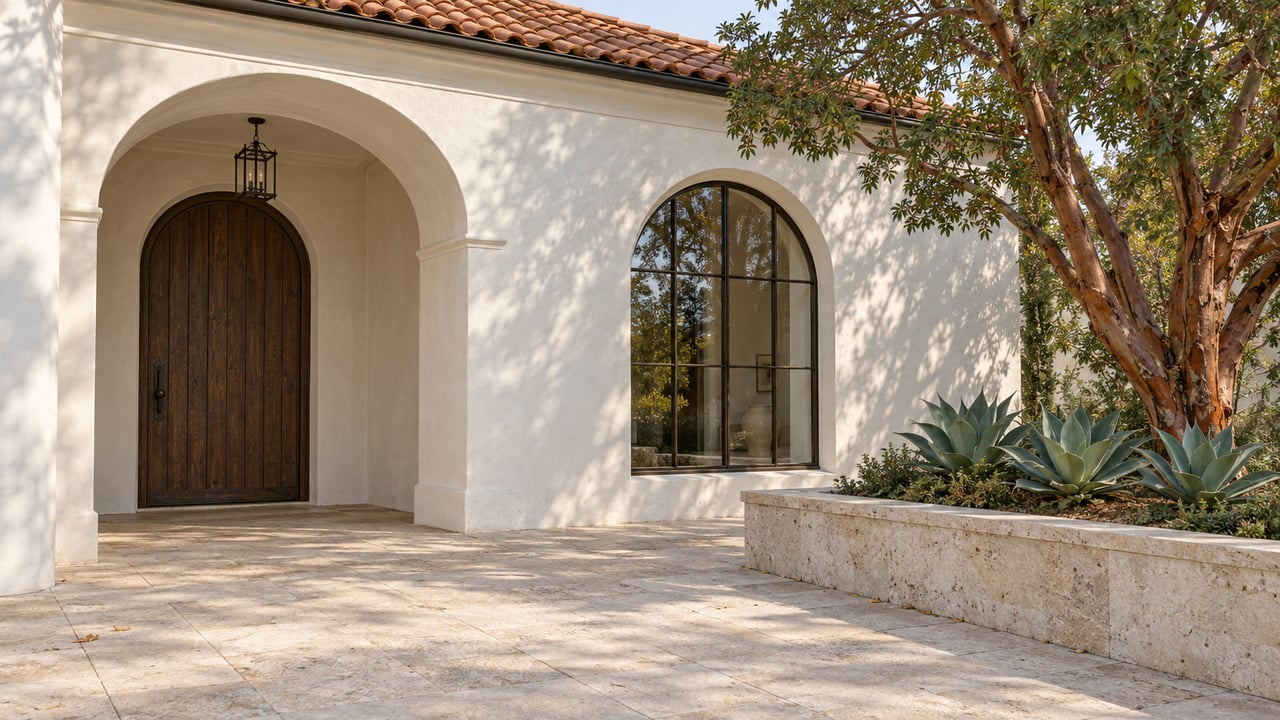
Picture two sellers closing escrow this fall on nearly identical properties: a five-bedroom traditional in Sherman Oaks and a five-bedroom traditional in Beverly Hills, each priced at $5.6 million. The Sherman Oaks seller's closing statement carries a line item of roughly $224,000, payable to the City of Los Angeles. The Beverly Hills seller's statement carries no such line. Nothing about the homes explains the gap. What decides it is a municipal boundary that has nothing to do with price, prestige, or the county the property sits in.
That gap is Measure ULA, the transfer tax Los Angeles voters approved in November 2022 and that took effect in April 2023. For transactions closing after June 30, 2026, the tax applies at 4% on sales between $5,400,000 and $10,899,999, and 5.5% on anything at $10,900,000 or higher, according to the Los Angeles Office of Finance. Those thresholds move every July 1, adjusted for inflation using the Chained Consumer Price Index. A year earlier, the same bands sat at $5,300,000 and $10,600,000.
The tax does not work like an income bracket. A sale at $5,399,999 owes nothing under ULA. A sale one dollar higher owes 4% of the entire price, not just the sliver above the line. On that $5.6 million Sherman Oaks sale, the seller owes 4% of all $5.6 million, not 4% of the $200,000 that crossed the threshold. That gross-price structure is why sellers in this range talk about a cliff rather than a bracket, and why a single pricing decision a few thousand dollars in either direction can swing the tax bill by six figures.
The City Line Decides It, Not the County Line
Measure ULA is a City of Los Angeles ordinance. It only reaches property inside the incorporated city limits. Beverly Hills, West Hollywood, Santa Monica, Malibu, Pasadena and Glendale are all separately incorporated cities that sit inside Los Angeles County, and none of them collect this tax. A seller in any of those cities can close at $8 million and never see a ULA line item, regardless of how the property compares to something a few miles away inside LA proper.
Much of the San Fernando Valley territory Sterling works in sits on the other side of that line. Sherman Oaks, Tarzana, Encino, Van Nuys, Woodland Hills and West Hills are neighborhoods inside the City of Los Angeles, which means a $5.4 million-plus sale in any of them falls inside ULA's reach in a way that a comparable sale in Beverly Hills or Malibu does not. A buyer or seller comparing those markets by zip code alone, or by the county they sit in, will miss the one variable that actually changes the closing statement at the high end.
What the Data Shows Once Sellers See the Line
A study by Manville and Smith at UCLA's Lewis Center, titled "The Unintended Consequences of Measure ULA," found that after the tax took effect, the odds of a property selling for more than $5 million fell by roughly 55%. That is not evidence the tax stopped luxury sales outright. It is evidence that sellers found ways around the line, whether by pricing just under it, structuring a deal differently, or simply waiting for a better moment.
The scale of that behavior is bigger than a handful of hillside estates. By CoStar's count at the start of 2026, more than 1,000 active listings across the city sat within or near the ULA thresholds, spanning both residential and commercial property. Sellers above the thresholds have also shown growing interest in off-market sales as a way to control timing and terms, though moving a listing off the MLS doesn't erase the tax once the price clears the line. It only changes who sees the number before closing.
Why This Reaches Beyond Single Estates
Measure ULA does not stop at single-family homes. It applies to residential, commercial and industrial property alike, which means a small investor selling a fourplex or a mixed-use building for $5.4 million owes the same 4% that a mansion seller owes. For an investor who has built a small portfolio of Valley properties over several years, a sale that clears the threshold on one parcel can carry the same tax exposure as a luxury estate sale, even if no single unit in the building would ever be described that way. Anyone weighing an exit on a multi-unit property inside city limits should model that exposure before setting an asking price, not after an offer comes in.
Where the Rules Might Move Next
The tax's future has been debated through most of 2026. In April 2026, a statewide ballot measure backed by the Howard Jarvis Taxpayers Association threatened to cap local transfer taxes, including ULA. In a June 2026 compromise, that measure was pulled from the November ballot, and the replacement measure lawmakers agreed to put before voters left transfer taxes out entirely. As of now, there is no statewide measure on track to repeal or cap Measure ULA this November.
Separately, the Los Angeles City Council voted 9-5 on June 17, 2026 to direct the City Attorney to draft a possible local ballot measure exempting new multifamily and mixed-use construction from the tax for ten years following a certificate of occupancy, alongside a one-time exemption for Pacific Palisades homeowners selling after the January 2025 fire. Both proposals still need to qualify for a ballot. Neither has changed the rates or thresholds in effect today.
A Few Questions Sellers Ask Before Listing
Does Measure ULA apply if I sell at a loss? Yes. It is a transfer tax on the gross sale price, not a tax on profit. A property that sells for $6 million still owes 4% of the full $6 million, even if the seller loses money on the deal.
Can a 1031 exchange defer it? No. Measure ULA is a transfer tax, not a capital gains tax, so it cannot be deferred the way gains might be through a like-kind exchange.
How do I find out if my address is actually inside city limits? The reliable way is to confirm with escrow or title before you set a list price. City boundaries in Los Angeles County don't always match zip codes or the postal city name printed on your mail, and that mismatch is exactly where sellers get surprised.
If you're weighing a sale anywhere near these thresholds, or you hold a few Valley properties that might combine into ULA territory when you exit, run the numbers before you set a list price. Caroline Daniel and the team at Sterling Realty & Lending can confirm whether your address sits inside city limits, model your net proceeds against both thresholds, and walk through timing options before you go to market. Schedule a free consultation to get the specific number for your property, not just the citywide average.