Thinking about trading city buzz for a calmer, suburban pace without leaving Los Angeles? West Hills gives you that balance. You get quiet streets, nearby trails and parks, and easy access to bigger Valley shopping and dining. If you are weighing a move, you likely care about homes, commutes, and everyday convenience. This guide walks you through what life feels like in West Hills so you can decide if it fits your plans. Let’s dive in.
West Hills at a glance
West Hills sits in the western San Fernando Valley within the City of Los Angeles. The neighborhood stretches across valley floor and low hills, with canyons and open space shaping its edges. The daily rhythm feels suburban: quick errands by car, school drop-offs, youth sports, and regular park time.
You will find active neighbors and community updates through local groups and the neighborhood council. If you want a snapshot of civic resources or upcoming events, check the West Hills Neighborhood Council.
- Community info: West Hills Neighborhood Council
Homes and architecture
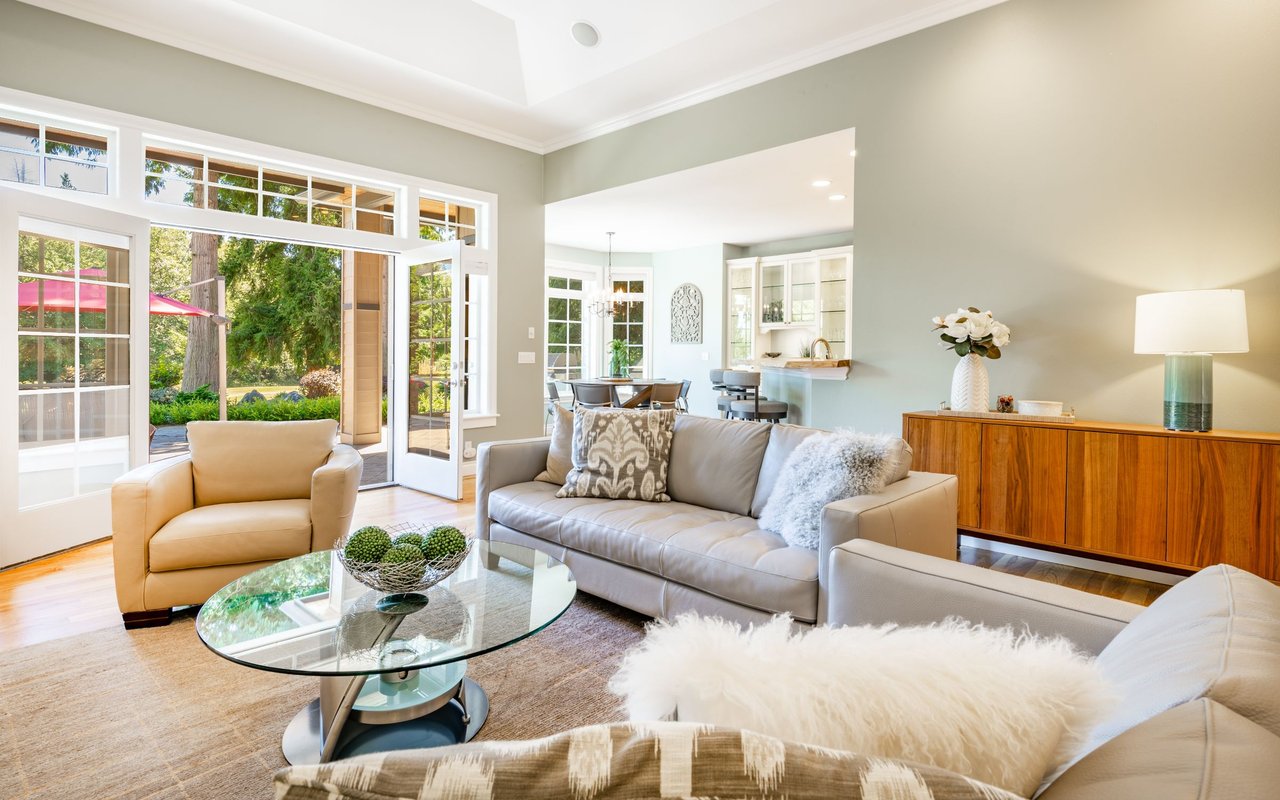
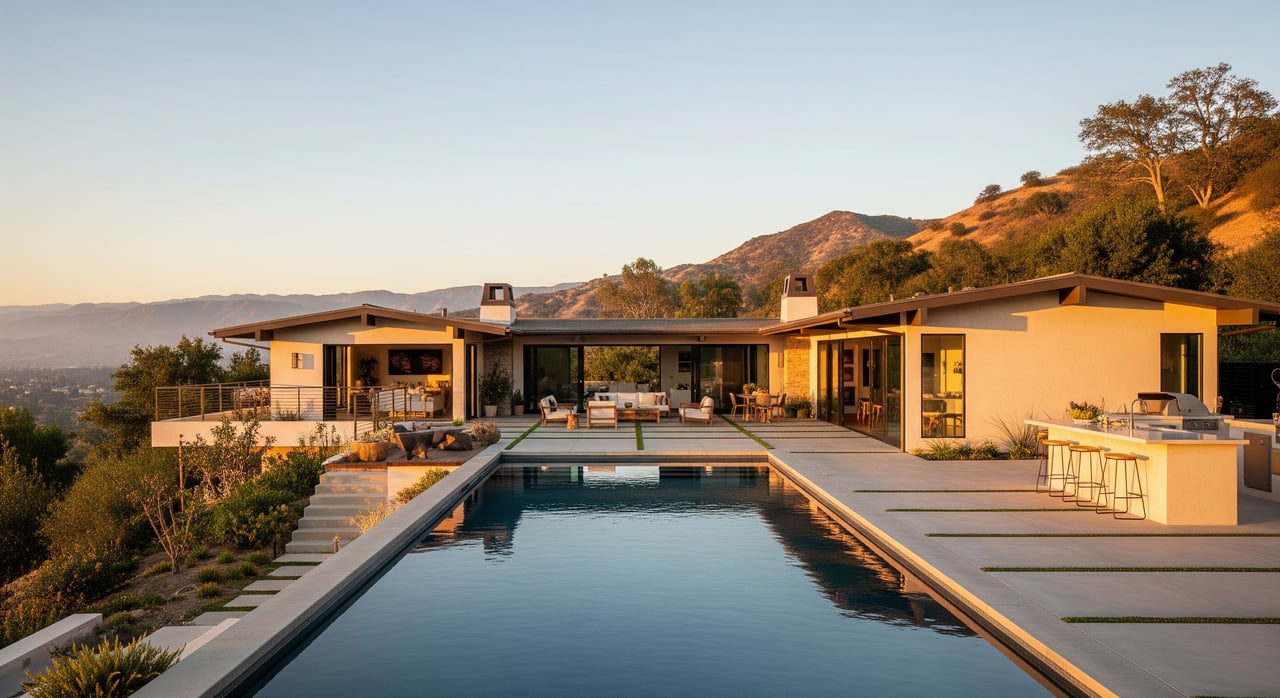
Housing here leans heavily toward single-family homes on small to medium lots, with pockets of condos, townhomes, and smaller apartment clusters. You will see mid-century ranch styles, Spanish and Mediterranean influences, and many remodeled homes with modern updates. A few gated enclaves and newer infill projects exist, although they are not the norm.
If you are evaluating property condition, budget for typical Los Angeles maintenance. Older homes may need seismic retrofits, roof or drainage improvements, and hillside properties can come with grading or drainage considerations. For property tax questions, review the Los Angeles County Assessor’s resources to understand assessments at sale and Proposition 13 protections.
- Property tax basics: Los Angeles County Assessor
Market feel and what to expect
West Hills tends to be primarily owner-occupied, and overall costs are above the U.S. average. Inventory can feel tight compared to some flatter Valley neighborhoods, which can influence pricing and time on market. Desirable pockets near open space or hill views often draw steady interest, especially if homes are move-in ready with updated systems.
Because prices and days on market change quickly, focus on fresh comps and hyperlocal trends when you are ready to take action. A coordinated plan for financing and insurance can also make your offer more compelling.
Parks, trails, and outdoor life
Access to the outdoors is one of West Hills’ biggest perks. You are close to parks with sports fields and playgrounds, as well as nearby hill and canyon trailheads for hiking, mountain biking, equestrian use, and dog walking. Weekends often mean a morning hike, youth games at local fields, and a casual bite with neighbors.
Community classes and seasonal events pop up through the City’s recreation programs and local groups. If you want to keep track of programs and facility updates, use the City’s Department of Recreation and Parks.
- Programs and facilities: LA Department of Recreation and Parks
Commute and transportation
Most residents rely on a car for work and errands. West Hills connects to regional arterials and nearby freeways, which makes driving to the Valley, Westside, or downtown feasible, but peak congestion can add time.
There are bus options along major corridors, with transfers often required for cross-town trips. If you are considering transit, use the Metro Trip Planner to test routes during your typical commute window. For longer regional trips, Metrolink stations are reachable by car from West Hills for park-and-ride commuting.
- Route planning: Metro Trip Planner
Shopping, dining, and daily services
Day-to-day errands are easy. You will find grocery stores, coffee shops, banks, salons, and casual restaurants in local retail strips and small centers. When you want more variety, larger malls and big-box options in adjacent Valley neighborhoods are a short drive away. The dining scene skews casual and family oriented, with residents often heading to nearby commercial hubs for broader restaurant or nightlife options.
Healthcare and essential services are within a short drive, including urgent care and hospital options in the wider Valley. If proximity to specific facilities matters, map drive times from the exact address you are considering.
Schools and youth programs
West Hills is served by Los Angeles Unified School District, with neighborhood elementary and middle schools, plus charter and private choices. Because school boundaries can change, verify your assigned schools for a specific address using LAUSD resources. Youth sports and after-school programs are commonly available through local parks and private providers.
- School zones: LAUSD boundary and enrollment resources
Use neutral, up-to-date data sources for school comparisons. If you have a tight timeline, plan ahead for enrollment steps and after-care options to avoid last-minute stress.
Safety and preparedness
Safety patterns vary block by block across the west Valley. To understand current trends around a specific property, review official crime mapping and talk with local resources. If your target home is near hills or canyon edges, be aware of brush management requirements and wildfire planning. The Los Angeles Fire Department and Cal Fire offer defensible space guidance and hazard maps so you can prepare a home responsibly.
- Crime maps: LAPD crime mapping tools
- Brush and wildfire safety: Los Angeles Fire Department – Brush
- State hazard information: Cal Fire hazard mapping
Who chooses West Hills
If you like a quieter suburban setting within Los Angeles, West Hills is worth a look. Many residents value single-family streets, nearby open space, and access to daily conveniences. Some buyers come from denser city neighborhoods seeking yard space and a slower pace while keeping their LA ties.
Your experience will depend on your exact block. Proximity to parks, hill views, or retail corridors can shape how the area feels, and commute times change a lot based on route and time of day.
How to pick the right pocket
Here is a simple approach to zero in on your best-fit streets:
- Map your routine. Plot school, childcare, gym, groceries, and favorite trails, then estimate travel times at the hours you will actually drive.
- Walk the block. Visit at different times to get a feel for street activity, sun exposure, and parking.
- Vet the practicals. Confirm school assignments with LAUSD, check brush clearance zones and slope conditions if you are considering hillside properties, and review property tax expectations with the County Assessor.
- Stress test the commute. Use the Metro Trip Planner for a transit option and test-drive your car route during rush hour.
Is West Hills a fit for you?
If you want suburban calm, outdoor access, and the convenience of greater LA at your fingertips, West Hills delivers. The key is matching your budget and wish list to the right micro-location and preparing a strong offer with solid financing.
When you are ready, get local guidance and a coordinated plan for buying, lending, and insurance from one trusted advisor. Reach out to Caroline Daniel for a friendly, no-pressure conversation about your next steps.
FAQs
What is West Hills, Los Angeles, known for?
- A suburban San Fernando Valley setting with single-family streets, nearby parks and trails, and a quieter pace than more urban LA neighborhoods.
How car-dependent is West Hills for daily life?
- Most residents drive for work and errands, with buses along major corridors and limited rail; many trips require transfers, so plan routes in advance.
Are wildfire or earthquake risks a concern in West Hills?
- Yes. Canyon and hillside edges raise brush and wildfire considerations, and standard California earthquake risks apply; review LAFD and Cal Fire guidance.
How do I verify LAUSD school assignments for a West Hills address?
- Use LAUSD’s boundary and enrollment resources to confirm assigned schools and any application steps for magnet, charter, or specialized programs.
What types of homes are common in West Hills?
- Primarily single-family homes on small to medium lots, with mid-century ranch, Spanish or Mediterranean styles, and updated remodels, plus some condos and townhomes.
How long are commutes from West Hills to major job centers?
- Commute times vary widely by route and time of day; test your drive during peak hours and use the Metro Trip Planner to compare transit options.
Is West Hills walkable for errands and dining?
- Some retail clusters support short, walkable errands, but most residents rely on a car; walkability depends on the specific block you choose.