Thinking about adding a backyard home in Los Angeles for family, flexibility, or rental income? You are not alone. ADUs are one of the most practical ways to unlock space and value on your property, but the rules can feel confusing. In this guide, you will learn how ADUs work in the City of Los Angeles, what to check on your lot, how the permit process unfolds, and where homeowners often get tripped up. Let’s dive in.
What counts as an ADU in Los Angeles
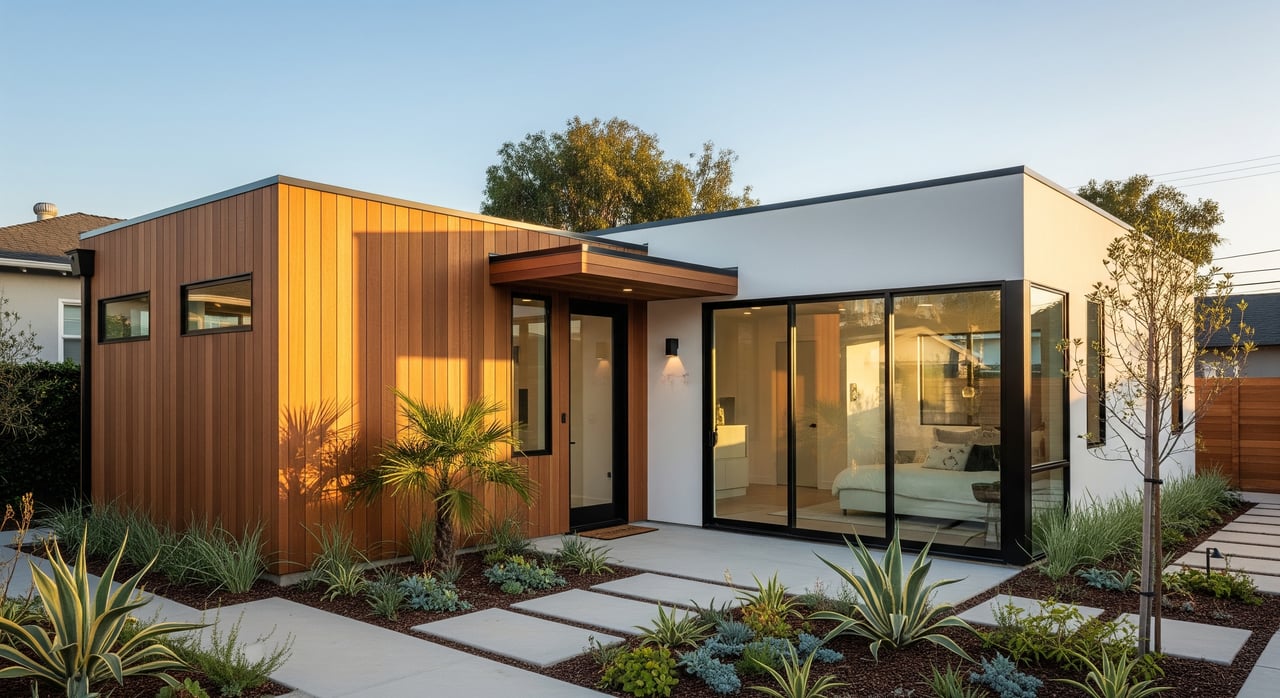
An accessory dwelling unit, or ADU, is a secondary home on the same lot as your main residence. You can build a new detached unit in your yard, attach an addition to your home, or convert existing space like a garage or basement.
There is also a junior ADU, or JADU. A JADU is a smaller unit created within your existing single-family home and is limited by state law to 500 square feet. JADUs have their own rules and are often faster to plan since they use the current footprint.
How state and city rules work together
California’s ADU laws set statewide standards that cities must follow. The goal is to make ADUs easier to build by limiting local barriers like excessive parking rules or long permit delays. The City of Los Angeles implements those laws through its zoning and building permit process. That means state law protects your right to build an ADU in many cases, while Los Angeles applies local, objective standards for things like setbacks, height, and design.
Two key takeaways for you:
- State law sets the floor for what cities must allow.
- Los Angeles can add objective rules that fit local zones and neighborhoods, as long as they align with state law.
First checks before you call an architect
A quick front-end review saves time, money, and rework. Start here:
- Zoning and overlays. Confirm your parcel’s zoning and whether it sits in a special overlay such as Hillside, an historic district, or the Coastal Zone. Site-specific rules can change setbacks, heights, or review steps.
- Lot coverage and FAR. Even with ADU-friendly rules, your lot still must meet maximum lot coverage, floor area ratio, and height limits for the zone.
- Existing structures. Conversion ADUs within current space often face fewer size limits and smaller setbacks. Know what you can reuse.
- Utilities and easements. You will need access to water, sewer, and power. Easements and utility clearances can dictate ADU placement. Properties on septic need County environmental health approvals.
- Parking situation. Converting a garage or removing driveway parking can trigger replacement parking in some cases. Near transit or with certain conversion projects, added parking may not be required.
- Owner occupancy. State law largely removed blanket owner-occupancy rules for new ADUs, but details can change. Verify the current City of Los Angeles policy for your property type.
Setbacks, size, height, and parking explained
Setbacks
Setbacks for ADUs are often smaller than for a main house. Many conversion ADUs, and some attached ADUs, can use reduced rear and side setbacks because they stay within or near existing walls. Detached units in the rear yard typically follow zone-specific setbacks. Hillside and other overlays may require more.
Size and floor area
ADU size rules depend on your zone and the type of unit. Conversions of existing space generally have more flexibility since you are not increasing the footprint. Junior ADUs must not exceed 500 square feet by state law. For full ADUs, confirm how the City counts square footage and what caps apply in your zone.
Height
Height limits for ADUs are controlled by your zoning and location on the lot. Detached ADUs often have lower height limits than the main house. Two-story ADUs may be allowed in some areas and not in others. Hillside, very high fire severity, or view-sensitive areas can introduce extra standards.
Parking
State rules limit when cities can require new parking for ADUs. Many ADUs in Los Angeles do not need extra parking if they are near public transit, created by converting existing space, or built as JADUs. If you remove required parking in a garage conversion, you may need to replace it in some situations. Your exact requirement depends on distance to transit, the ADU type, and local standards.
Fire, safety, and access
All ADUs must meet building and fire codes. In hillside or high fire severity zones, you may face added requirements such as defensible space, fire-resistant materials, or sprinklers. Your architect and contractor should plan for safe egress, smoke and CO alarms, and proper utility separations.
The Los Angeles ADU permit roadmap
Use this simple six-step path to stay on track.
- Zoning check and site review
- Confirm zoning, overlays, and any special plan areas. Identify utilities, slopes, easements, and whether you are on sewer or septic.
- Typical time: a few days to 2 to 4 weeks depending on complexity and staff availability.
- Schematic design
- Work with a designer to map the building footprint, placement, and a rough layout. Early orientation can solve setback and privacy concerns.
- Typical time: a few weeks.
- Construction documents
- Prepare full architectural plans, structural calculations for new construction or major changes, and energy code documentation. Include plumbing, electrical, and mechanical plans if you are adding or separating systems.
- Typical time: several weeks to a few months depending on scope and revisions.
- Plan check application
- Submit your permit application to the Los Angeles Department of Building and Safety. City Planning may provide zoning clearance, and other departments may review projects in overlays like coastal or historic.
- LADBS will return correction comments. Your team revises and resubmits until approved.
- Typical time: 1 to 3 months for straightforward ADUs. Complex sites, overlays, or multiple correction rounds can extend to 3 to 6 months or more.
- Permit issuance and construction
- Once plan check is cleared and fees are paid, LADBS issues the building permit. Construction then moves forward with inspections at foundations, framing, rough trades, and final.
- Typical time: 2 to 6 months for small conversions or compact detached ADUs. Larger detached builds can take 4 to 12 months.
- Final inspection and occupancy
- After passing all inspections, LADBS provides final sign-off or a certificate that allows occupancy. You can then use or rent the ADU.
- Overall timeline from first planning to move-in often ranges from 4 to 12 months or more depending on scope and review steps.
Fees, utilities, and financing basics
City fees
Expect plan check and building permit fees. Certain impact fees are limited for ADUs under state law, and the City maintains its own fee schedule. Fees can change, so confirm current amounts when you start plan design.
Utility connections
Your project may need a separate or upgraded water, sewer, and electric service. Capacity fees or meter upgrades can apply. On septic, County environmental health must clear the added unit, and system capacity can limit what is possible.
Financing options
Homeowners commonly use:
- HELOC or home equity loan. Flexible draw options and lower closing costs, secured by your home’s equity.
- Cash-out refinance. Replaces your current mortgage with a larger loan. Useful if you can improve your rate or want a fixed payment.
- Construction or renovation loans. Fund draws during construction and convert to permanent financing at completion.
- Specialized ADU loans. Some lenders offer products designed for ADU projects. Underwriting often considers projected rental income once complete.
Choose a financing path that matches your cash flow, timeline, and equity position. A coordinated conversation that includes lending and insurance can prevent surprises.
Rental rules and taxes in brief
- Short-term rentals. If you plan to rent your ADU for fewer than 30 days at a time, you must follow the City’s short-term rental rules and register where required. Transient occupancy taxes can apply.
- Long-term rentals. ADUs used for longer leases are subject to state and local landlord–tenant law. The Los Angeles Rent Stabilization Ordinance covers certain older units, and new ADUs may not be covered the same way. If your property has other units, different rules can apply.
- Taxes and insurance. Rental income is taxable, and property improvements affect assessed value. Speak with a tax professional. Update your homeowners insurance and consider endorsements for rental use.
Avoid these common ADU pitfalls in LA
- Skipping the overlay check. Hillside, coastal, and historic areas often add time and review steps. Identify them early.
- Underestimating utilities. Sewer capacity, electrical upgrades, and gas service can change costs and timelines.
- Parking surprises. Converting a garage without understanding replacement requirements can stall your permit.
- Verbal guidance only. Get zoning interpretations and plan-check notes in writing to avoid mid-project changes.
- Rental plan missteps. Register when required, and learn local landlord–tenant rules before you lease.
What to bring to your first design meeting
- A simple site sketch and basic measurements of your lot and structures
- Title report or deed pages that show easements or restrictions
- Any survey you have, or a request to order one if needed
- Photos of the yard, driveway, and the space if you will convert a garage or interior area
- Utility locations, panel size, and any recent upgrade details
- A zoning verification or parcel report if available
Ready to explore an ADU in the Valley?
An ADU can add space for family today and create long-term flexibility for tomorrow. With the right plan, you can move from idea to keys in a predictable, step-by-step process. Sterling Realty & Lending brings an integrated approach across real estate, lending, and insurance, so you can plan financing, protect your property, and align your project with your long-term goals.
If you would like a local, coordinated conversation about your ADU options in Sherman Oaks, Tarzana, Van Nuys, Woodland Hills, or nearby neighborhoods, schedule a free consultation with Caroline Daniel.
FAQs
Can I build an ADU on my Los Angeles lot?
- Many single-family and multi-family lots can host ADUs, but zoning, overlays, utilities, and site constraints can limit options, so start with a zoning verification and a site assessment.
Do I have to live in the main house to build an ADU in LA?
- State law largely removed blanket owner-occupancy rules for new ADUs, but policies evolve, so verify the City’s current requirements for your specific property and ADU type.
Will Los Angeles require parking for my ADU?
- Often no, especially for ADUs near transit, conversion units, or JADUs, but garage conversions and site specifics can trigger replacement or other requirements.
How long does the Los Angeles ADU permit process take?
- Straightforward projects often move from plan prep to permit in 1 to 3 months, with total timelines from idea to occupancy commonly 4 to 12 months or more depending on complexity.
What financing options can help pay for a Los Angeles ADU?
- Popular choices include HELOCs, cash-out refinances, construction or renovation loans, and lender programs tailored to ADUs, selected based on equity, rate, and cash-flow needs.
Are ADUs treated differently in hillside, coastal, or historic Los Angeles areas?
- Yes, these overlays can add reviews, standards, and timelines, and conversion ADUs may be more feasible than new detached builds in sensitive areas.