If you want to catch spring buyers in Santa Clarita, timing and presentation matter more than ever. You are not just cleaning up your home for photos. You are preparing it for a season when buyers notice curb appeal fast, compare condition closely, and often make decisions within minutes of walking in. The good news is that a smart plan can help you focus on what matters most, avoid wasted spending, and get your home market-ready with less stress. Let’s dive in.
Why spring prep matters in Santa Clarita
Spring is a key window for sellers, but Santa Clarita has its own rhythm. The area’s Mediterranean and semi-arid climate means mild winters, warm summers, and relatively low rainfall, so exterior work is often easiest to finish before late spring heat and dry conditions set in.
That timing matters for more than looks. City planning materials note that local vegetation dries out in late spring and early summer, and Southern California fire season typically starts in June. If you are listing in spring or early summer, exterior cleanup and yard prep should happen early.
Buyer expectations also support doing the work up front. According to National Association of REALTORS research, 83% of buyers’ agents said staging makes it easier for buyers to picture a future home. That means even modest updates can help your home show better in photos and in person.
Start with curb appeal
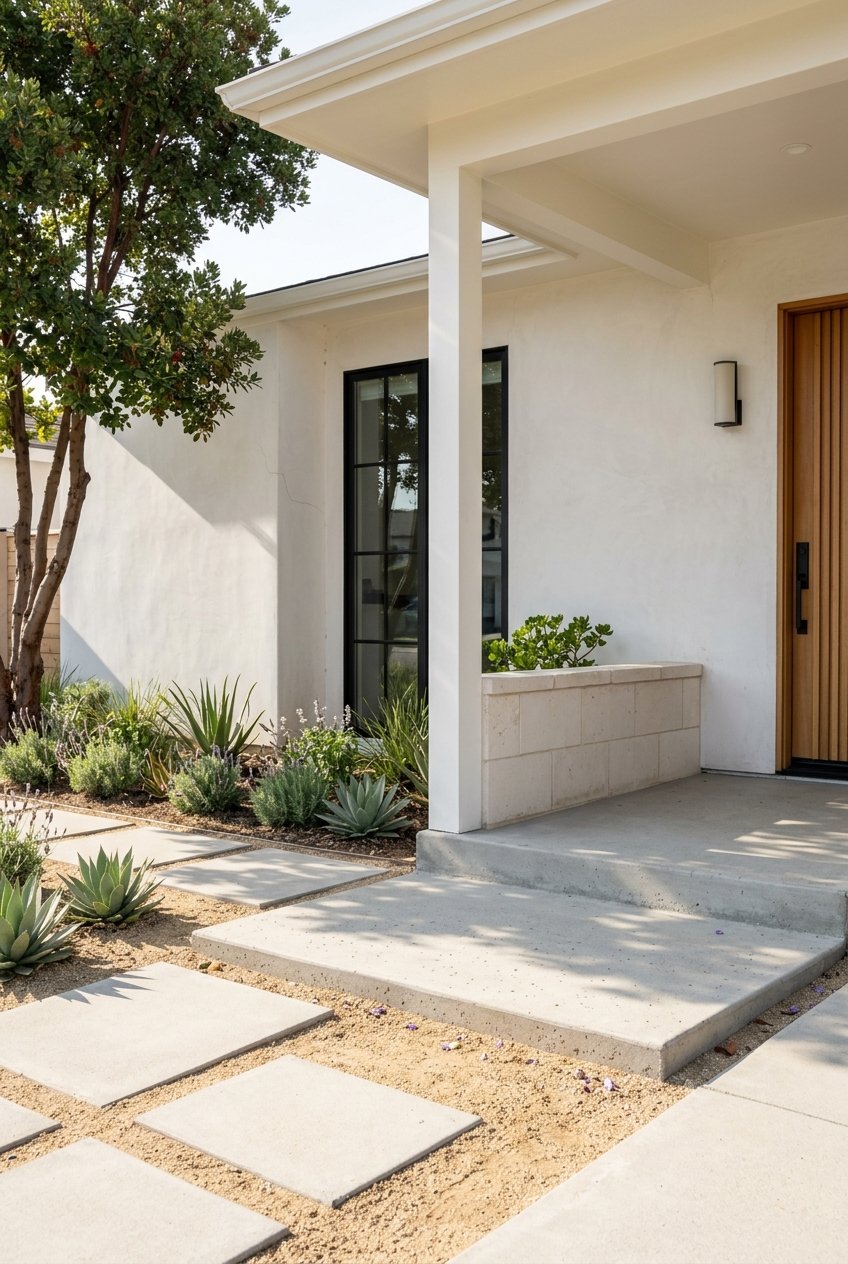
Your exterior sets the tone before a buyer ever opens the front door. A clean, cared-for entry can make your home feel more inviting and better maintained from the start.
A practical front-of-home checklist includes:
- Pressure washing walkways and the driveway
- Cleaning windows
- Refreshing the front door and entry hardware
- Trimming shrubs and trees
- Clearing gutters and roof debris
- Making sure your house number is easy to see from the street
These are not flashy upgrades, but they can have a strong impact. NAR seller guidance specifically highlights cleaning, landscaping, paint touch-ups, and front entrance improvements as worthwhile pre-listing steps.
Use water-wise landscaping
In Santa Clarita, you do not need a full yard makeover to make a strong first impression. The city’s water-wise guidance supports drought-tolerant and native plants, efficient irrigation, and practical landscape improvements that use water carefully.
For many sellers, that means keeping the yard tidy, adding fresh mulch, cleaning up planting beds, and making sure irrigation is working properly. A neat, healthy landscape often does more for curb appeal than an expensive overhaul.
Make fire-safe prep part of the plan
If your property backs to hillside, brush, or open space, spring prep should include wildfire readiness. CAL FIRE states that 100 feet of defensible space is required by law, and guidance emphasizes reducing dead plants, grass, and weeds around the home.
Santa Clarita materials also stress clearing dry brush, removing roof debris, and staying ready for wildfire season. For buyers, a fire-safe exterior can signal that the property has been maintained with local conditions in mind.
Focus on the interior basics first
Inside the home, the highest-value work is often the simplest. If your time or budget is limited, start with decluttering, deep cleaning, and depersonalizing.
These steps matter because buyers need to picture themselves in the space. NAR staging guidance consistently ranks decluttering and whole-home cleaning among the top pre-listing priorities, especially when homes are being photographed and shown to a broad audience.
A simple rule is to remove anything that makes rooms feel crowded, dark, or overly personal. That includes excess furniture, busy countertops, overflowing closets, family photos, and décor that distracts from the room itself.
Fix what buyers will notice right away
You do not need a full remodel to make your home feel fresh. In many cases, buyers respond most to visible, everyday condition issues they can see in photos and on the first walk-through.
Focus on items like:
- Fresh paint where needed
- Cleaned carpet
- Bright lighting
- Clean windows and baseboards
- Repaired cosmetic damage such as scuffed walls or loose hardware
These small improvements can help your home feel cleaner, brighter, and easier to move into. They also tend to reduce the kinds of first-impression objections that can affect offers.
Gather documents before listing
Spring prep is not only visual. NAR also recommends gathering warranties, guarantees, and manuals for systems or appliances that will stay with the home.
Having those items ready can make your sale feel more organized and can help smooth the closing process later. It is a small step, but it shows buyers that you have kept good records and cared for the property.
Be realistic about major systems
If your roof, HVAC, or appliances are older, it helps to be prepared before buyers raise questions. NAR recommends getting estimates for aging major systems even if you do not plan to replace them before listing.
That does not mean you must spend heavily before going on the market. Sometimes a repair, service record, or written estimate is more useful than starting a partial remodel that never fully pays off.
If a buyer asks about remaining life or likely replacement cost, you will be in a better position to respond clearly. That can support smoother negotiations and fewer surprises.
Review disclosures and compliance early
In California, spring prep should include a disclosure check as well as a cleaning checklist. Sellers of most one- to four-unit residential properties generally provide a Real Estate Transfer Disclosure Statement, and sellers also provide a Natural Hazard Disclosure.
The Natural Hazard Disclosure can include whether a property is in areas related to flood, dam failure inundation, fire hazard severity, wildland fire, earthquake fault zones, or seismic hazard zones. In a place like Santa Clarita, that makes early review especially important.
Check smoke detectors and water heater bracing
California seller disclosure materials also point to several practical items worth checking before listing. Single-family home sales require a smoke detector compliance statement, and existing dwellings must have smoke detectors outside each sleeping area.
The same materials note that water heaters must be anchored, braced, or strapped. These are straightforward items, but they can become last-minute issues if you wait too long.
Look at past work and permits
If you have added a room, converted a garage, updated electrical, replaced roofing, or made other alterations over time, review that work before your home hits the market. California disclosure materials state that sellers must disclose additions, structural modifications, or other work completed without the necessary permits.
Santa Clarita’s Building & Safety Division also says owners are responsible for obtaining required permits before a building is constructed, repaired, or altered. If you are unsure about past work, it is better to sort that out early than be caught off guard during escrow.
Use caution with older paint
If your home was built before 1978, paint prep needs extra care. Federal law requires sellers of most pre-1978 homes to disclose known lead-based paint information and provide the required pamphlet before sale.
That does not mean you cannot refresh painted areas, but it does mean you should approach prep thoughtfully. If your home falls into this category, early planning is important.
Consider a pre-listing inspection
A pre-listing inspection is not required, but it can be a smart move. It may help you identify issues before buyers do, giving you more control over repairs, pricing, and expectations.
NAR notes that a pre-sale inspection can surface problems that may be repaired before showings begin. A typical inspection may cover the structure, roof, plumbing, electrical systems, heating and air conditioning, interiors, insulation, ventilation, and fireplaces.
For older homes or more complex properties, this step can be especially helpful. Even if you choose not to fix everything, knowing the likely concerns ahead of time can help you plan your strategy.
Prioritize your time and budget
If you are trying to get ready without overspending, focus on the steps most likely to improve presentation and reduce buyer concerns. In most cases, the best order is safety and disclosure items first, then cleaning and decluttering, then exterior appearance, then minor repairs and paint, and finally staging or specialty inspections if needed.
Here is a practical way to think about it:
| Priority | What to Do | Why It Matters |
|---|---|---|
| First | Review disclosures, permits, smoke detectors, water heater bracing | Helps prevent avoidable transaction issues |
| Next | Declutter and deep clean | Improves photos and buyer first impressions |
| Then | Tidy curb appeal and landscaping | Strengthens exterior presentation |
| After That | Handle minor repairs and paint touch-ups | Reduces visible objections |
| Last | Stage key rooms and consider inspections | Supports stronger marketing and negotiation |
This order keeps you focused on the items that tend to matter most. It also helps you avoid spending on upgrades before the basics are fully handled.
Stage the rooms that count most
If you are not staging the entire home, prioritize the spaces buyers care about most. NAR research points to the living room, primary bedroom, and kitchen as especially important rooms to present well.
That does not require dramatic styling. Clean surfaces, balanced furniture placement, good lighting, and a simple, neutral look often do the job.
The goal is to make each space feel open, calm, and easy to understand. When buyers can quickly see how a room lives, they are more likely to connect with the home.
A spring-ready home sells with less friction
In Santa Clarita, getting ready for spring buyers is not just about routine housekeeping. It is a mix of presentation, repair planning, fire-safe exterior maintenance, and disclosure readiness.
When you prepare in that order, your home is more likely to photograph well, show well, and move through negotiations with fewer surprises. You do not need to do everything. You just need to do the right things in the right sequence.
If you are thinking about selling this spring and want a clear, local plan for what to do first, C. Daniel & Associates LLC can help you prepare your home, coordinate the details, and move forward with confidence.
FAQs
What should Santa Clarita sellers do first before listing in spring?
- Start with safety and disclosure items, then declutter, deep clean, and improve curb appeal before moving on to repairs or staging.
Is a pre-listing inspection required for a Santa Clarita home sale?
- No. A pre-listing inspection is not required, but it can help uncover issues before buyers discover them.
How should Santa Clarita homeowners handle landscaping before spring showings?
- Focus on tidy, water-wise improvements such as fresh mulch, trimmed shrubs, healthy plant beds, and efficient irrigation rather than a major yard overhaul.
Do Santa Clarita homes near brush or hillsides need extra prep?
- Yes. Properties near brush, hillside, or open space should include defensible space, dry brush removal, and roof debris cleanup as part of spring prep.
Which rooms matter most when staging a Santa Clarita home?
- The living room, primary bedroom, and kitchen are the top rooms to prioritize for staging and presentation.
What if my budget is tight when preparing a Santa Clarita home for sale?
- Start with decluttering, cleaning, professional photos, and minor repairs, since those steps often have the biggest impact for the lowest cost.